

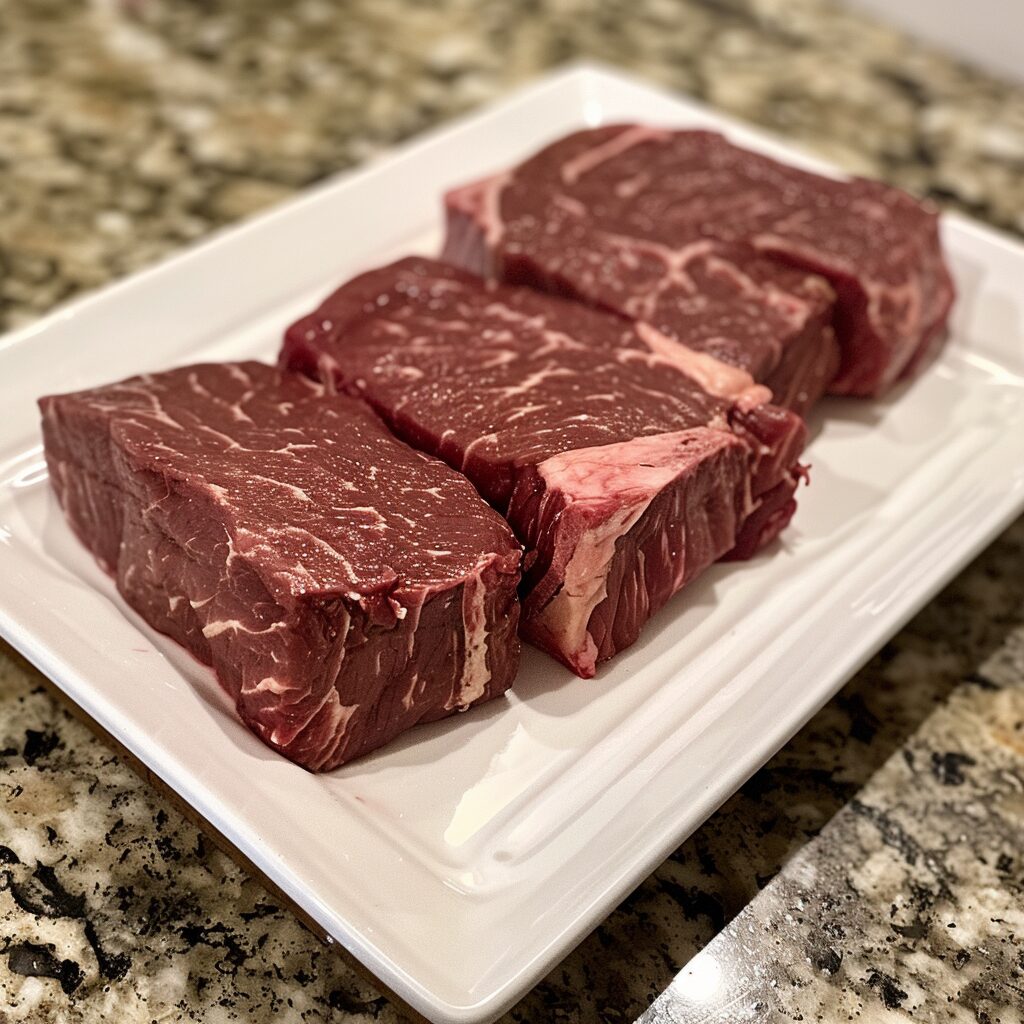
Freezing and cooking steaks can be an art form, especially when it comes to maintaining the perfect texture and flavor. Conventional wisdom suggests thawing frozen steaks before grilling, but this approach might be robbing you of an even tastier experience. Let’s delve into the reasons why skipping the thaw could transform your cooking process, backed by scientific insights and expert opinions, making every steak dinner more impressive.
1. Cooking from Frozen Reduces Moisture Loss
One of the biggest mistakes people make with frozen steaks is thawing them before cooking, which can lead to increased moisture loss. Cooking a frozen steak right out of the freezer prevents the formation of a “gray band” a layer of overcooked meat that often surrounds the juicy center. This band occurs because the thawed outer edges start to cook while the center is still coming up to temperature.
When you cook a steak directly from frozen, the colder center slows down the heat penetration, which is a boon for moisture retention. Studies have shown that frozen steaks can lose up to 9% less moisture compared to their thawed counterparts, making for a juicier and more flavorful bite.
Furthermore, the intense heat from searing a frozen steak creates a deliciously crisp crust. This high-contrast texture between the crust and the tender inside can elevate your culinary experience significantly.
2. Thawing Can Degrade Meat Quality
The process of thawing can actually degrade the quality of your steak. The slow rise in temperature during thawing can encourage bacterial growth, particularly in the “danger zone” between 40°F and 140°F. Not only does this raise health concerns, but it can also affect the texture of the meat, leading to a chewier steak.
Rapid thawing methods, although better, still cannot match the benefits of cooking from frozen. Research shows that even though rapid thawing can reduce moisture loss compared to conventional methods, it still falls short in maintaining the steak’s optimal texture and color when compared to cooking straight from frozen.
Thus, the texture, and overall dining delight can be significantly better when the steak is cooked from frozen, avoiding the pitfalls of thawing entirely.
3. It’s More Convenient
Cooking frozen steak is not just about taste and quality; it’s also incredibly convenient. There’s no need to plan ahead and remember to take the steak out of the freezer hours or even a day in advance. You can decide to cook a steak on a whim and have a delicious meal ready without the typical wait.
This method is perfect for busy individuals or unexpected guests. It minimizes prep time and reduces the stress associated with meal planning. Your freezer essentially becomes a ready-to-go repository of quick, gourmet meals.
Furthermore, this approach reduces food waste, as there’s no risk of forgetting about a thawing steak that then must be cooked urgently or thrown away due to spoilage.
4. Uniform Cooking
Contrary to popular belief, frozen steaks can cook more uniformly than thawed ones. This is because the extreme cold tempers the heat, allowing the steak to gradually reach the ideal internal temperature without overcooking the exterior.
With the right technique, you can achieve a perfectly even doneness from edge to center, which is often a challenge with thawed meat. Cooking a steak from frozen ensures that you get a tender, evenly cooked interior, which enhances the dining experience.
By using a two-stage cooking process searing on a hot surface followed by baking in a low-temperature oven you can master the art of the perfectly cooked steak every time.
5. Improved Safety
The safety of your food is paramount, and cooking from frozen can actually be safer than the traditional thawing methods. By avoiding the thawing process, you reduce the risk of exposing the meat to unsafe temperatures where harmful bacteria can flourish.
Especially when improper thawing techniques are used, such as leaving meat out at room temperature, there is a significant increase in the risk of foodborne illnesses. Cooking from frozen sidesteps these dangers, ensuring that your meal is not only delicious but also safe to eat.
Moreover, the USDA supports cooking frozen meats without thawing, as it continues to ensure food safety while providing a practical solution for everyday cooking.
6. Energy Efficiency
Believe it or not, cooking steaks from frozen can be more energy-efficient. Skipping the thawing stage means you don’t use extra electricity or water for methods like running under water or using the microwave.
This not only saves on utility bills but also contributes to a more environmentally friendly cooking process. Every little bit helps when it comes to reducing our carbon footprint, and cooking steaks directly from frozen is a small, yet impactful way to contribute.
The energy saved by omitting the thawing process can be surprising, making this method not just beneficial for your palate but also for the planet.
7. Better Taste and Texture
The ultimate goal of cooking any steak is to achieve the best possible taste and texture, and cooking from frozen can significantly aid in this endeavor. By avoiding thawing, you maintain the integrity of the muscle fibers, which can be compromised when meat is allowed to slowly warm up to room temperatures.
As previously mentioned, the science behind cooking frozen steaks helps to preserve their juiciness and tenderness two key elements of a mouth-watering steak. This technique not only makes for a more enjoyable eating experience but also impresses guests with your culinary prowess.
Whether you’re a seasoned chef or a weekend warrior in the kitchen, the advantages of cooking frozen steaks are too significant to ignore. Give it a try, and you might find yourself surprised at the ease and the results.
In conclusion, the culinary benefits of cooking steaks from frozen are numerous. From enhancing flavors to ensuring safety, this method revolutionizes traditional cooking wisdom. The next time you plan a steak dinner, consider skipping the thaw and heading straight to the grill. Who knows? You might just find that the best steak you’ve ever had was also the easiest to prepare.

