

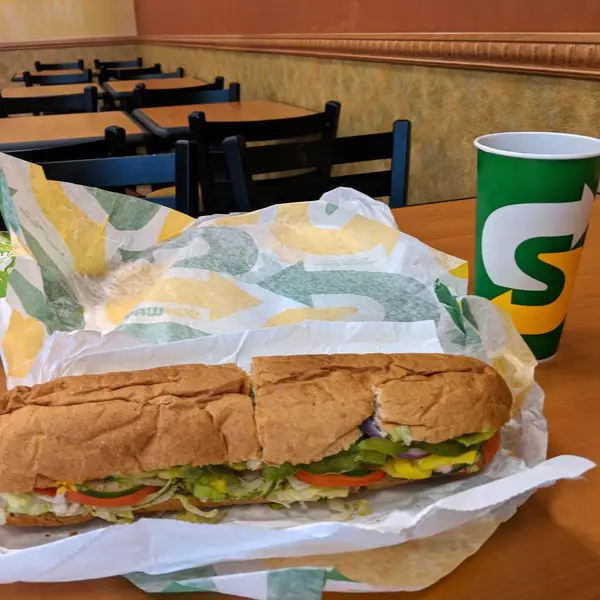
When it comes to grabbing a quick and convenient meal, Subway is often a go-to choice for many. However, not all Subway sandwiches are created equal. While some may satisfy your hunger, others might leave you questioning the quality and safety of the ingredients. In this exposé, we’ll uncover the one Subway sandwich that you should avoid at all costs.
1. The Tuna Sandwich Scandal
The Subway tuna sandwich has been the subject of much controversy and criticism. According to customer reviews, the tuna used in these sandwiches is often described as “the cheapest tuna they can buy” and compared to “cat food with mayo.” The questionable quality and taste of the tuna have led many to believe that it’s a sandwich best avoided.
Furthermore, there have been allegations that Subway’s tuna may not even contain real tuna. A lawsuit filed in California claimed that the sandwich chain’s tuna is actually a “mixture of various concoctions,” although Subway has vehemently denied these accusations. Regardless of the truth behind these claims, the controversy surrounding the tuna sandwich is enough to make one think twice before ordering it.
If you’re a fan of tuna sandwiches, it might be wise to seek out alternatives from other sandwich shops or prepare your own at home using high-quality, trusted ingredients. By doing so, you can ensure that you’re getting a tuna sandwich that not only tastes great but also meets your standards for freshness and authenticity.
2. Questionable Bread Ingredients
While the Subway menu boasts a variety of bread options, including the seemingly healthy 9-grain wheat bread, a closer look at the ingredients reveals some concerning facts. According to reports, Subway’s bread contains a chemical called azodicarbonamide, which is banned as a food additive in the UK, Europe, and Australia.
Azodicarbonamide is more commonly used in the production of foamed plastics, such as yoga mats and shoe soles. In Singapore, using this chemical in food can result in hefty fines and even jail time. While it is allowed in the United States as a flour bleaching agent and dough conditioner, its potential health risks have raised concerns among consumers.
The World Health Organization has linked azodicarbonamide to respiratory issues, allergies, and asthma. When heated, it can also turn into a carcinogen. With such potential dangers associated with this ingredient, it’s understandable why many people would choose to avoid Subway’s bread altogether.
3. Skimpy Portions and Poor Preparation
Customer reviews have also highlighted issues with the overall quality and preparation of Subway sandwiches. Many have complained about receiving sandwiches with hard or burnt meatballs, skimpy portions of ingredients like lettuce and tuna, and a general sense that the sandwiches are “just thrown together” without care or attention to detail.
One particularly disappointing example mentioned in reviews is the kids’ sandwich, which is sometimes cut into thirds instead of the usual half-sandwich, leaving children still hungry after their meal. Such inconsistencies in portion sizes and preparation can lead to an unsatisfactory dining experience, especially when you’re paying for a sandwich that’s supposed to be filling and satisfying.
To avoid these issues, it may be worth considering other sandwich options at Subway or exploring alternative sandwich shops that prioritize quality and consistency in their preparation methods. By doing your research and reading reviews from other customers, you can make a more informed decision about where to spend your hard-earned money on a satisfying sandwich.
4. Missing Key Ingredients
Another common complaint among Subway customers is the lack of certain key ingredients that are essential to specific sandwiches. Reviews have mentioned the absence of black olives, Swiss cheese, and light mayonnaise, which can significantly impact the taste and quality of the sandwiches they’re meant to complement.
In some cases, customers have reported that their local Subway was out of staple ingredients like avocado, steak, and mozzarella cheese. These shortages can be particularly frustrating when you have your heart set on a specific sandwich combination, only to find that the restaurant is unable to fulfill your order.
To minimize the chances of encountering missing ingredients, it may be helpful to call ahead or check with your local Subway to ensure they have the items you need for your desired sandwich. Alternatively, you could consider visiting a different location or opting for a sandwich that doesn’t rely on the missing ingredients.
5. The Footlong Controversy
Subway’s famous footlong sandwiches have also been the subject of controversy in recent years. In 2013, a customer posted a photo on Facebook showing that their “footlong” sandwich was actually only 11 inches long. This sparked a wave of similar complaints and even led to a class-action lawsuit against the company.
While Subway has since taken steps to ensure that their footlong sandwiches are indeed 12 inches long, the incident raised questions about the company’s advertising practices and the consistency of their products. It also highlighted the importance of customers being vigilant and speaking up when they notice discrepancies in their orders.
If you do order a footlong sandwich from Subway, it may be worth measuring it yourself to ensure that you’re getting what you paid for. And if you notice any inconsistencies or issues with your order, don’t hesitate to bring it to the attention of the staff or management so that they can address the problem and improve their service.
6. High Sodium Content
While Subway markets itself as a healthier alternative to other fast-food chains, many of their sandwiches are actually quite high in sodium. According to the company’s nutritional information, some of their sandwiches contain over 1,000 milligrams of sodium, which is nearly half of the recommended daily intake for adults.
Consuming too much sodium can lead to a variety of health problems, including high blood pressure, heart disease, and stroke. And while it’s true that you can customize your sandwich at Subway to reduce the sodium content, many of the chain’s most popular sandwiches are still quite high in salt.
7. Subway’s Data Collection Practices
In addition to concerns about the quality and nutritional value of their sandwiches, Subway has also faced criticism over their data collection practices. According to reports, the company collects a wide range of personal information about their customers, including their login details, use of third-party applications, and even the advertising they receive.
While Subway claims that this information is used to improve their services and provide a better experience for their customers, some have raised concerns about the potential for this data to be misused or even sold to third parties. As a result, some privacy-conscious consumers have chosen to avoid using Subway’s online ordering system altogether.
In conclusion, while Subway may be a convenient and popular choice for many, it’s important to be aware of the potential risks and drawbacks associated with some of their menu items. By educating yourself about the ingredients, preparation methods, and nutritional content of their sandwiches, you can make a more informed decision about what to order – or whether to dine at Subway at all. And if you do choose to eat there, remember to speak up if you notice any issues with your order or have concerns about the company’s practices. After all, as the old saying goes, you are what you eat – so it pays to be choosy!

