

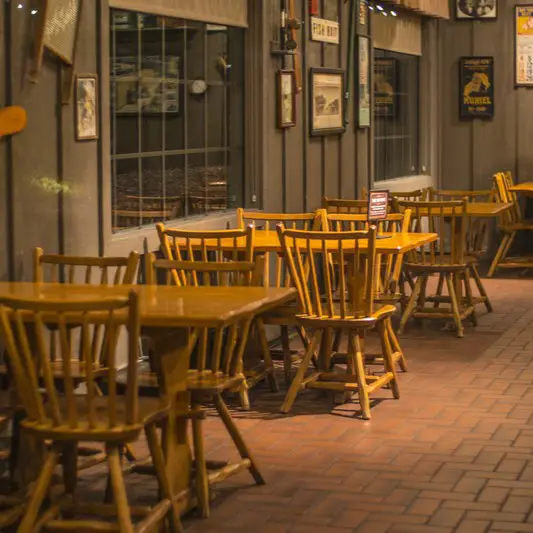
Have you ever wondered why some restaurants that once buzzed with activity slowly start to look like ghost towns? One such tale of waning patronage is that of Cracker Barrel, a chain known for its old-country store vibe and hearty American meals. This article delves into the myriad of reasons behind Cracker Barrel’s dwindling customer base, weaving through the intricate tapestry of challenges the brand faces in today’s rapidly changing dining landscape.
1. Shifting Consumer Preferences
The first culprit in the mystery of Cracker Barrel’s declining popularity is the shift in consumer preferences towards healthier and more diverse dietary options. The modern diner is increasingly looking for meals that cater to specific dietary needs, be it gluten-free, vegan, or low-calorie. Cracker Barrel, with its traditional menu heavy on comfort foods, has struggled to keep pace with these changing tastes. This disconnect between the chain’s offerings and the public’s evolving dietary habits is a significant factor in its recent struggles to attract a broader customer base.
Moreover, as people become more health-conscious, the demand for fresher, less processed foods has soared. Cracker Barrel’s menu, steeped in tradition, hasn’t adapted quickly enough to include these lighter, more health-centric options. This lack of adaptability not only alienates potential new patrons but also discourages regulars who might be reconsidering their dietary choices.
The chain’s efforts to introduce new menu items that align with contemporary dietary trends have been noted, yet the pace of innovation seems to lag behind that of its competitors. This slow response to a fast-moving market is a critical hurdle Cracker Barrel needs to overcome to regain its lost ground.
2. Economic Sensitivities
Another significant challenge facing Cracker Barrel is the economic sensitivity of its customer base. With rising prices across the restaurant industry, many customers are becoming increasingly budget-conscious, opting for dining options that offer more bang for their buck. This trend is especially pronounced among older demographics, who constitute a large portion of Cracker Barrel’s clientele. The financial insecurity felt by these customers amidst inflation and high food and gas prices has led to a noticeable decline in their patronage.
Cracker Barrel’s pricing strategy, which traditionally offered value through hearty portions and affordable prices, is now under scrutiny. With the cost of living rising, the chain must find a way to reassure its price-sensitive customers that dining at Cracker Barrel remains a worthwhile investment. This challenge is compounded by the company’s need to manage its own rising operational costs without alienating its core customer base.
The introduction of promotions and value menu options could serve as a beacon for budget-conscious diners. However, balancing quality and affordability, especially in an era of rising costs, requires strategic finesse that Cracker Barrel is currently struggling to master.
3. Marketing Misfires
In the battle for customers’ attention, marketing is the sword and shield of any brand. Unfortunately for Cracker Barrel, its marketing efforts have not been cutting through the noise. The chain’s traditional marketing strategies have failed to resonate with younger audiences, leading to a lackluster performance in attracting a new generation of diners. This disconnect in communication is a glaring issue, as it prevents the brand from showcasing any new initiatives or menu changes aimed at reversing its fortunes.
Competitors have been quick to capitalize on this weakness, implementing aggressive promotions and leveraging social media to engage with customers directly. In contrast, Cracker Barrel’s more subdued approach has left it struggling to claim its share of the spotlight, further exacerbating its customer retention issues.
For Cracker Barrel to navigate its way out of this marketing maze, a revamped strategy that embraces digital platforms and speaks directly to the values and interests of a broader demographic is essential. Without this strategic pivot, the chain risks remaining invisible in an ever-more crowded and noisy marketplace.
4. Service Quality Concerns
Quality of service is the backbone of the hospitality industry, yet recent reports suggest that Cracker Barrel has been faltering in this critical area. Customer complaints about poor service have become more frequent, with diners pointing to long wait times, indifferent staff, and a general decline in the dining experience. This erosion of service quality, as noted on platforms like Quora, not only detracts from the brand’s reputation but also dissuades repeat visits.
The reasons behind this decline are manifold, with industry-wide challenges such as labor shortages and training issues at the forefront. For a chain like Cracker Barrel, known for its homey and welcoming atmosphere, any compromise on service quality strikes at the very heart of its brand promise.
Addressing these concerns head-on, through improved staff training, better wage structures, and a renewed focus on customer satisfaction, is imperative. Without a turnaround in this area, Cracker Barrel’s path to regaining its lost customer base will be significantly steeper.
5. Outdated Ambience
The nostalgic charm of Cracker Barrel, with its rustic decor and country store, has long been a part of its appeal. However, what once felt cozy and unique now risks being perceived as outdated by a younger audience seeking modern and Instagram-worthy dining experiences. The ambiance, while still cherished by many, doesn’t quite hit the mark with millennials and Gen Z, who prioritize novelty and aesthetics in their dining choices.
This generational divide presents a conundrum for Cracker Barrel. To attract a younger demographic, the chain must find ways to refresh its brand image without alienating its existing customer base, who value the traditional American country aesthetic. This balancing act between tradition and modernity is a tightrope walk that requires careful planning and execution.
Small, thoughtful updates to the physical layout, decor, and even the menu presentation could go a long way in making Cracker Barrel more appealing to a broader audience. Embracing a more contemporary look while maintaining its country roots could be the key to unlocking a new era of growth for the chain.
6. Failing to Capture the Digital Diner
In an age where online ordering and delivery have become the norm, Cracker Barrel’s digital presence leaves much to be desired. The surge in demand for convenient dining options, accelerated by the pandemic, has seen many restaurants pivot to digital platforms to cater to this new consumer behavior. Cracker Barrel, however, has been slow to embrace these changes, missing out on the opportunity to serve the digital diner effectively.
The introduction of a loyalty program aimed at driving frequency among all demographics, especially younger customers, is a step in the right direction. Yet, the full potential of digital engagement through social media, online ordering, and personalized marketing remains largely untapped.
For Cracker Barrel to reclaim its place at the table, a robust digital strategy that encompasses all facets of the online dining experience is essential. From mobile apps to social media engagement, the digital frontier offers boundless opportunities for growth and customer retention.
7. Over-Reliance on Highway Traffic
Cracker Barrel’s strategic decision to locate most of its restaurants near highways has traditionally been a strength, capturing the business of travelers and road trippers. However, this strategy also comes with its limitations, including vulnerability to seasonal fluctuations and a dependence on travel patterns. The recent decline in same-store sales attributed to harsh winter weather highlights the risks of over-reliance on highway traffic.
Diversifying its location strategy to include more urban and suburban areas could mitigate these risks and open up new customer demographics for Cracker Barrel. By expanding its reach beyond the highways, the chain can become more accessible to local communities, thereby reducing its susceptibility to the ebbs and flows of travel patterns.
The journey ahead for Cracker Barrel is fraught with challenges, yet it’s not without hope. By addressing the issues of shifting consumer preferences, economic sensitivities, marketing strategies, service quality, ambience, digital presence, and location strategy, Cracker Barrel can begin to reconstruct its image and reclaim its lost customers. The road to recovery will require a delicate balance of innovation and tradition, but with the right adjustments, Cracker Barrel can once again become a beloved destination for diners of all ages.
In conclusion, the tale of Cracker Barrel’s struggle to retain customers is a complex one, woven from various threads of changing tastes, economic pressures, and missed opportunities. Yet, within this narrative lies the potential for rebirth, a chance to adapt and thrive in the ever-changing landscape of the American dining experience. With a sprinkle of innovation, a dash of strategy, and a hearty dose of customer focus, Cracker Barrel’s next chapter could be its most savory yet.

