

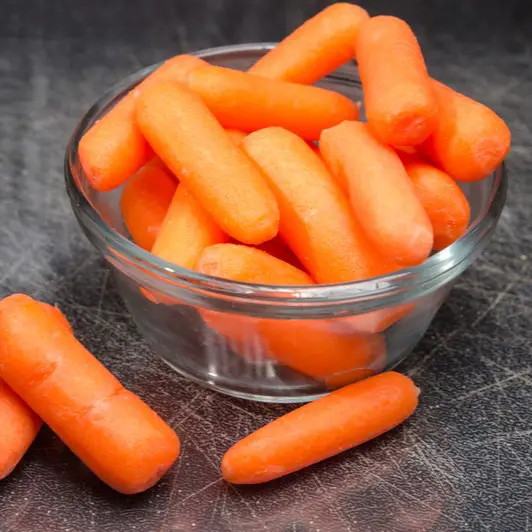
Ever reached into a bag of baby carrots only to find them covered in a curious white film? This phenomenon, often causing a double-take at the crisper drawer, isn’t a cause for alarm. Instead, it’s a simple, natural occurrence known as “carrot blush.” Let’s peel back the layers of misunderstanding surrounding this common kitchen sight and learn what really causes it, how it affects your carrots, and why it’s perfectly safe.
1. Understanding Carrot Blush
The white stuff you see on baby carrots is called carrot blush. It’s a thin layer of dehydration that occurs when the outer surface of the carrot loses moisture. Unlike their full-sized counterparts, baby carrots lack a protective outer skin which helps retain moisture.
This dehydration can happen under various circumstances, such as fluctuating temperatures in your fridge or simply being left out for too long. Despite its off-putting appearance, carrot blush does not indicate spoilage or mold growth. It’s purely a cosmetic condition and doesn’t suggest the carrots are past their prime.
To combat this, baby carrots are often sold in bags with a small amount of water to help maintain humidity and prevent the blush. When you see the white film, it’s a sign that the carrots have been slightly dehydrated but not damaged. Refreshing them is as simple as giving them a quick soak in water.
2. Is It Safe to Eat?
Many people are understandably concerned when they see anything white on their food that isn’t supposed to be there. However, carrot blush on baby carrots is completely safe to eat. This layer does not affect the carrot’s taste or nutritional value in any significant way.
If the texture seems a bit off, soaking the carrots in cool water for a few minutes can help restore their crispness. This simple trick can rejuvenate the carrots’ texture and make them more appealing to eat, especially if you’re using them for a raw snack or in a salad.
It’s always a good practice to wash your carrots before eating to remove any surface dirt or potential residues, regardless of whether they have carrot blush. This ensures that you’re consuming them in their freshest and safest form.
3. The Importance of Proper Storage
Keeping baby carrots fresh and free from the white blush isn’t challenging but does require proper storage. The key is maintaining the right level of humidity within their storage environment. This can be achieved by keeping them in their original packaging until you’re ready to use them.
If you’ve transferred them to a different container, ensure it’s airtight and, ideally, see-through so you can keep an eye on any changes. It’s also beneficial to check and potentially change the water in the bag if it appears cloudy or dirty, as this can contribute to faster degradation of the carrots.
For those who consume baby carrots regularly, investing in vegetable storage containers specifically designed for maintaining moisture can be a worthwhile purchase. These containers help keep produce fresh for longer by regulating air flow and moisture levels.
4. Myths Versus Facts
There’s a lot of misinformation floating around about what the white stuff on baby carrots really is. Some claim it’s mold or a sign of chemical treatment, but these claims are unfounded. Carrot blush is simply dehydration, not a harmful additive or a byproduct of poor farming practices.
It’s important to dispel these myths because they can deter people from making healthy choices. Baby carrots are a convenient, nutritious snack, and understanding the true nature of carrot blush can help maintain confidence in this healthy food choice.
Understanding the difference between a harmless natural process and actual spoilage is key to making informed decisions about the food we eat. This knowledge empowers us to choose fresh, healthy options without undue worry.
5. Tips for Using Baby Carrots
Baby carrots are versatile and can be used in a variety of dishes. They are perfect for dipping, adding to stews, or just snacking on their own. However, when they have carrot blush, you might want to give them a little extra care before use.
Here are a few tips: Rinse them under cold water and soak if necessary to remove the blush. They can also be blanched to brighten their color before adding them to dishes. This not only improves their appearance but can also enhance their texture.
Another great way to use baby carrots with blush is to roast them. Roasting can intensify their natural sweetness and make the white film unnoticeable. Simply toss them in a bit of olive oil, sprinkle with your favorite herbs, and roast until tender.
6. The Science Behind Carrot Blush
At a molecular level, carrot blush occurs because the cell walls of the carrots begin to lose moisture at a faster rate than it can be replenished. This dehydration process affects only the surface, creating a thin, white layer.
The phenomenon is more common in baby carrots because they are often peeled and cut down from larger carrots, removing their natural protective barrier. This makes them more susceptible to moisture loss, especially when exposed to air.
Understanding this process can help us better manage our produce and ensure we are eating it at its best. By controlling exposure to air and maintaining proper humidity, we can significantly reduce the occurrence of carrot blush.
7. Refreshing Your Baby Carrots
If your baby carrots have developed a blush, don’t throw them out just yet. A simple refresh can make them as good as new. Start by rinsing them under cold water; you can also soak them in a bowl of ice water for a few minutes.
Once they’ve been refreshed, dry them thoroughly with a clean towel. This can help restore their original texture and crispness, making them perfect for any dish or snack you have planned.
By understanding what causes the white film and knowing how to properly handle and refresh baby carrots, you can continue to enjoy this nutritious snack without any hesitation.
So next time you spot that mysterious white film, remember, it’s nothing to fret about. Just a simple case of carrot blush that can easily be fixed with a little water and know-how. Happy snacking!

