

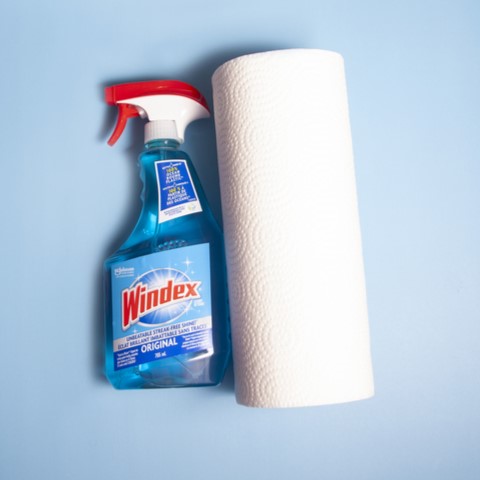
When you think of Windex, the first image that likely pops into your mind is sparkling clean windows. But did you know that this iconic blue bottle has a treasure trove of unexpected uses in your kitchen? While it’s not a food-safe product, Windex can be a powerful ally in maintaining a clean and efficient cooking space. From tackling tough stains to repelling pesky insects, this versatile cleaner might just become your new favorite kitchen companion.
1. Shining Stainless Steel Appliances
One of the most unexpected yet effective uses for Windex in the kitchen is giving your stainless steel appliances a brilliant shine. Those fingerprints, smudges, and water spots that seem to appear out of nowhere on your refrigerator, dishwasher, or oven can be a constant source of frustration. Windex Original Glass Cleaner can come to the rescue, providing a streak-free shine that will make your appliances look like new.
To achieve the best results, start by spraying a small amount of Windex onto a microfiber cloth rather than directly on the appliance. This method ensures you don’t oversaturate the surface, which can lead to streaking. Gently wipe the stainless steel surface in the direction of the grain, if visible. For stubborn spots, you may need to apply a bit more pressure or use a little extra product.
After cleaning, use a dry microfiber cloth to buff the surface, removing any remaining moisture and enhancing the shine. The ammonia in Windex helps to cut through grease and grime, leaving behind a sparkling finish that can make your kitchen feel instantly cleaner and more inviting. Just remember, while Windex is great for the exterior of your appliances, it’s not meant for use on surfaces that come into direct contact with food.
2. Tackling Grease on Cabinets and Hoods
Kitchen cabinets and range hoods are notorious for accumulating a sticky film of grease and grime, especially in areas close to the stove. This buildup can be stubborn and resistant to regular cleaning methods. Enter Windex, with its grease-cutting properties that can make short work of these tough kitchen messes. Windex Multi-Surface Disinfectant Cleaner is particularly effective for this task, as it’s designed to clean and shine without leaving a dull residue.
To tackle greasy cabinets and hoods, start by removing any loose debris with a damp cloth. Then, spray a small amount of Windex onto a clean microfiber cloth or directly onto the surface if it’s particularly grimy. Wipe in a circular motion to lift the grease, paying extra attention to areas around handles and edges where buildup tends to be worst. For wooden cabinets, be sure to test in an inconspicuous area first to ensure the finish won’t be affected.
After cleaning, use a separate dry cloth to buff the surface and remove any streaks. The ammonia in Windex helps to break down the grease molecules, making it easier to wipe away years of kitchen splatter. Regular use of Windex on these surfaces can help prevent long-term buildup and keep your kitchen looking fresh and clean. Just remember to ventilate the area well when using any cleaning products, especially in enclosed spaces like kitchens.
3. Cleaning Glass Cooktops
Glass cooktops can be a beautiful addition to any kitchen, but they’re also notorious for showing every smudge, fingerprint, and spill. While specialized cleaners are available, Windex can be a quick and effective solution for day-to-day cleaning of these surfaces. The ammonia-based formula is particularly good at cutting through the light grease and grime that accumulates on cooktops during regular use.
To clean your glass cooktop with Windex, ensure the surface is completely cool before starting. Spray a small amount of Windex directly onto the cooktop or onto a soft, lint-free cloth. Gently wipe the entire surface, paying extra attention to any areas with visible stains or residue. For tougher spots, you may need to let the Windex sit for a minute or two before wiping. Always avoid using abrasive materials or excessive force, as these can scratch the glass surface.
After cleaning, use a clean, dry cloth to buff the cooktop to a streak-free shine. The key here is to work quickly, as allowing the Windex to dry on its own can leave streaks. While Windex is great for everyday cleaning, it’s important to note that for burnt-on food or particularly stubborn stains, you may need to use a cleaner specifically designed for glass cooktops. Also, always check your cooktop’s manufacturer guidelines to ensure you’re not using any products that could void your warranty.
4. Reviving Tile and Grout
Kitchen backsplashes and floors often feature tile work that can become dingy over time, with grout lines acting as magnets for dirt and grime. While not typically the first cleaner that comes to mind for this task, Windex can be surprisingly effective at refreshing tile and grout. The Windex Disinfectant Cleaner Multi-Surface variant is particularly useful here, as it can clean, disinfect, and shine in one go.
To clean tile and grout with Windex, start by spraying the surface generously, ensuring good coverage on the grout lines. Let the solution sit for a few minutes to penetrate the dirt and grime. For heavily soiled areas, you might want to use a soft-bristled brush to gently scrub the grout lines. This agitation helps the Windex work its magic on stubborn stains. After scrubbing, wipe the area clean with a damp cloth or sponge.
For larger areas like floors, you can add a small amount of Windex to your mop water for an extra boost of cleaning power. The ammonia in Windex helps to break down soap scum and hard water deposits that can make tile look dull. However, it’s important to rinse thoroughly after cleaning to remove any residue. While Windex can be effective for regular maintenance, deep-set stains or severely discolored grout may require specialized grout cleaners or professional cleaning.
5. Polishing Faucets and Sinks
Kitchen faucets and sinks are constantly exposed to water, soap, and food particles, which can lead to a buildup of spots, stains, and mineral deposits. Windex, with its streak-free formula, can be an excellent tool for restoring the shine to these fixtures. Whether you have stainless steel, chrome, or even porcelain surfaces, Windex can help bring back their luster without leaving behind any residue.
To polish faucets and sinks with Windex, start by spraying a small amount onto a soft cloth. Wipe down the entire surface, paying special attention to areas around the base of the faucet and drain where grime tends to accumulate. For tough water spots or mineral deposits, you may need to let the Windex sit for a minute before wiping. Use an old toothbrush dipped in Windex to get into tight crevices and around fixtures.
After cleaning, use a dry microfiber cloth to buff the surfaces to a high shine. The ammonia in Windex helps to dissolve mineral deposits and cut through soap scum, while its alcohol content contributes to the quick-drying, streak-free finish. Regular use of Windex on these surfaces can help prevent long-term buildup and keep your sink area looking sparkling clean. However, if you have natural stone sinks or countertops, it’s best to avoid Windex and use a cleaner specifically designed for those materials.
6. Cleaning Outdoor Grill Surfaces
While not strictly inside the kitchen, your outdoor grill is an extension of your cooking space and can benefit from the cleaning power of Windex. The exterior surfaces of grills, particularly those with stainless steel or enamel finishes, can accumulate grease, dust, and grime over time. Windex can be an effective solution for restoring the shine to these surfaces and keeping your grill looking great between deep cleans.
To clean your grill’s exterior with Windex, ensure the grill is cool and unplugged if it’s electric. Spray Windex onto a microfiber cloth and wipe down all exterior surfaces, including the lid, side tables, and control panel. For stubborn spots, you may need to spray directly onto the surface and let it sit for a minute before wiping. Be sure to avoid spraying Windex on any cooking surfaces or inside the grill itself, as these areas require food-safe cleaning methods.
7. Repelling Insects in Kitchen Areas
One of the most surprising uses for Windex in the kitchen is as an insect repellent. While not its intended purpose, many homeowners have found that Windex can be an effective deterrent for various crawling insects that might invade your kitchen space. The strong scent and chemical composition of Windex seem to repel ants, spiders, and other small pests, making it a handy tool in your pest control arsenal.
To use Windex as an insect repellent, simply spray it around potential entry points like windowsills, door frames, and small cracks or crevices where you’ve noticed insect activity. The key is to create a barrier that insects are reluctant to cross. It’s important to note that while this method can be effective for minor pest issues, it’s not a substitute for proper pest control measures for serious infestations. Additionally, always use caution when spraying Windex near food preparation areas and wipe surfaces clean afterward.

