

When it comes to steaks, everyone has their preferences, but certain steakhouse chains in the U.S. consistently fail to meet expectations. Despite the allure of sizzling steaks and the promise of a hearty meal, these establishments often leave patrons disappointed. From tough cuts of meat to lackluster service, the worst steakhouse chains have a common thread: they promise more than they deliver. This article exposes these underperformers, shedding light on why they might not deserve your dinner plans.
1. Outback Steakhouse
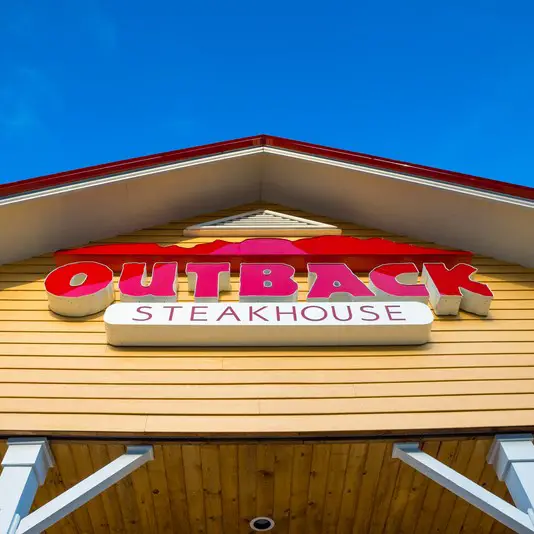
Perhaps one of the most recognizable names that surprisingly appears on the list of the least impressive steakhouse chains is Outback Steakhouse. Famous for its Aussie-themed dining experience, this chain often disappoints with the quality of its steaks, which some diners find tough and lacking in flavor. The use of lower-grade cuts and an inconsistency in preparation mars what could otherwise be a decent steakhouse choice.
Moreover, customers have reported that the side dishes are also average at best, failing to elevate the dining experience. This combined with a decor that has not seen an update in years, makes Outback a less desirable option for those looking for a memorable steak dinner.
Despite its widespread popularity and large footprint, Outback Steakhouse struggles to uphold the quality that its branding promises. It serves as a stark reminder that not all popular chains maintain a standard that aligns with customer expectations for a premium steak experience.
2. Sizzler
Known for its budget-friendly approach, Sizzler is another chain that makes the list of the worst in America. While it attempts to serve up a feast for a lesser price, the quality of its steaks often tells a different story. The steaks are frequently described as tough and are often served with lackluster sides that do little to complement the main dish.
The atmosphere in Sizzler restaurants is often found wanting, with an outdated feel that doesn’t do much to create a compelling dining experience. This detracts from what could be a pleasant, affordable steak dinner.
Though it tries to provide value, Sizzler’s compromise on steak quality and the overall dining ambiance makes it a less-than-ideal choice for steak lovers looking for both affordability and taste.
3. Ponderosa
Ponderosa, once a go-to for family dinners, has seen better days. This chain has been criticized for its buffet-style service which leads to a lack of freshness in its offerings. The steaks, which should be a highlight, often end up being overcooked and dry, leaving much to be desired in terms of quality.
The concept of a buffet might appeal to those looking for variety, but when it comes to steak, the execution at Ponderosa falls short. This results in a dining experience that can be described as more forgettable than fulfilling.
Combined with an ambiance that has not kept up with modern dining trends, Ponderosa struggles to compete with more dynamic and quality-focused steakhouse chains.
4. Sirloin Stockade
Sirloin Stockade tries to marry the concepts of a steakhouse and a buffet but fails to master either. The steaks are often critiqued for their subpar quality, with issues ranging from being underseasoned to tough. This undermines the very essence of what a steakhouse should offer – a great steak.
The buffet style of service means that food can sit out for extended periods, detracting from the freshness that is key to a good meal. This often results in a disappointing dining experience, as highlighted by diners’ reviews.
The lack of a distinctive identity between being a traditional steakhouse and a buffet venue places Sirloin Stockade on the list of chains to avoid if you’re seeking a premium steak dinner.
5. Steak 48
While not traditionally known as one of the worst, Steak 48 has recently garnered attention for the wrong reasons. Criticized for its high price point and a policy that some find pretentious, this chain’s approach to dining does not always sit well with its clientele. With a minimum spend policy that can feel exclusionary, the focus shifts from the quality of the food to the cost of the experience.
Despite offering premium cuts, the restrictive policies and high costs make Steak 48 a less appealing option for those who want a straightforward, high-quality steak without the frills and added pressure of minimum expenditures.
While some might argue that the quality justifies the price, the overall customer satisfaction speaks volumes about the balance between cost and experience at Steak 48.
6. Texas Roadhouse
Texas Roadhouse is a popular chain known for its lively atmosphere and peanut-covered floors, but when it comes to the quality of its steaks, it often leaves customers wanting more. The steaks are sometimes found to be average at best, with a consistency that doesn’t always hit the mark.
This chain’s focus on a fun environment and hefty portions does not compensate for the uneven quality of its steaks. Moreover, customer reviews often point to a lack of attention to detail in both the preparation of the food and the service provided.
While it may be a favorite for a casual night out, Texas Roadhouse does not necessarily cater to those who are serious about their steak.
7. Claim Jumper Steakhouse & Bar
Rounding out the list is Claim Jumper Steakhouse & Bar, known for its large portions and Wild West themed decor. However, the quantity does not make up for the quality, as the steaks are often described as forgettable and lacking in the rich flavors steak lovers seek.
With a theme that might attract initially, the dining experience at Claim Jumper often does not live up to the expectations set by its enthusiastic decor. Customers leave feeling that the steakhouse experience is diluted by mediocre food that doesn’t match the promise of a hearty, flavorful meal.
Claim Jumper’s attempt to offer something for everyone often means that the quality of its primary offering, the steak, suffers, making it a chain that might be better passed over for those in pursuit of a top-notch steak dinner.
In conclusion, while these chains might be popular for various reasons, from themed environments to budget-friendly prices, when it comes to delivering a high-quality steak experience, they fall short. The next time you’re thinking about a steak dinner, you might want to consider skipping these chains and looking for a local spot where the quality of the meat and the dining experience are given top priority. And remember, sometimes it’s worth paying a bit more for a steak that truly satisfies.

