The Forgotten Dish Only Old People Remember Making

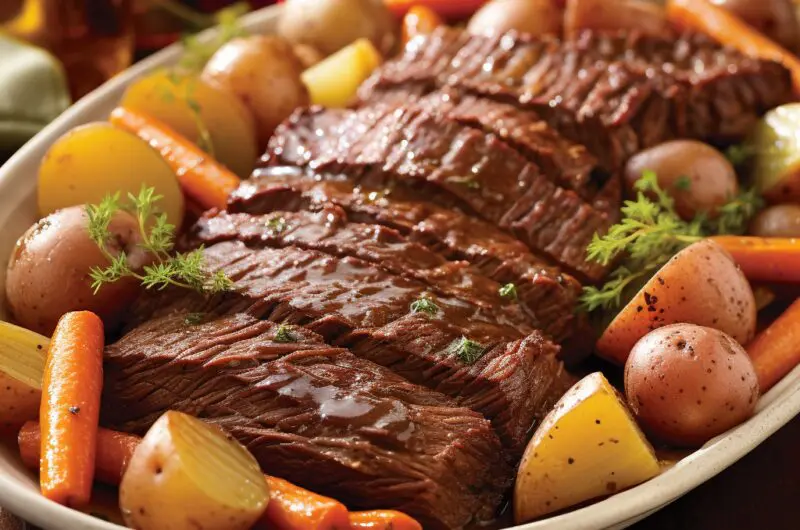
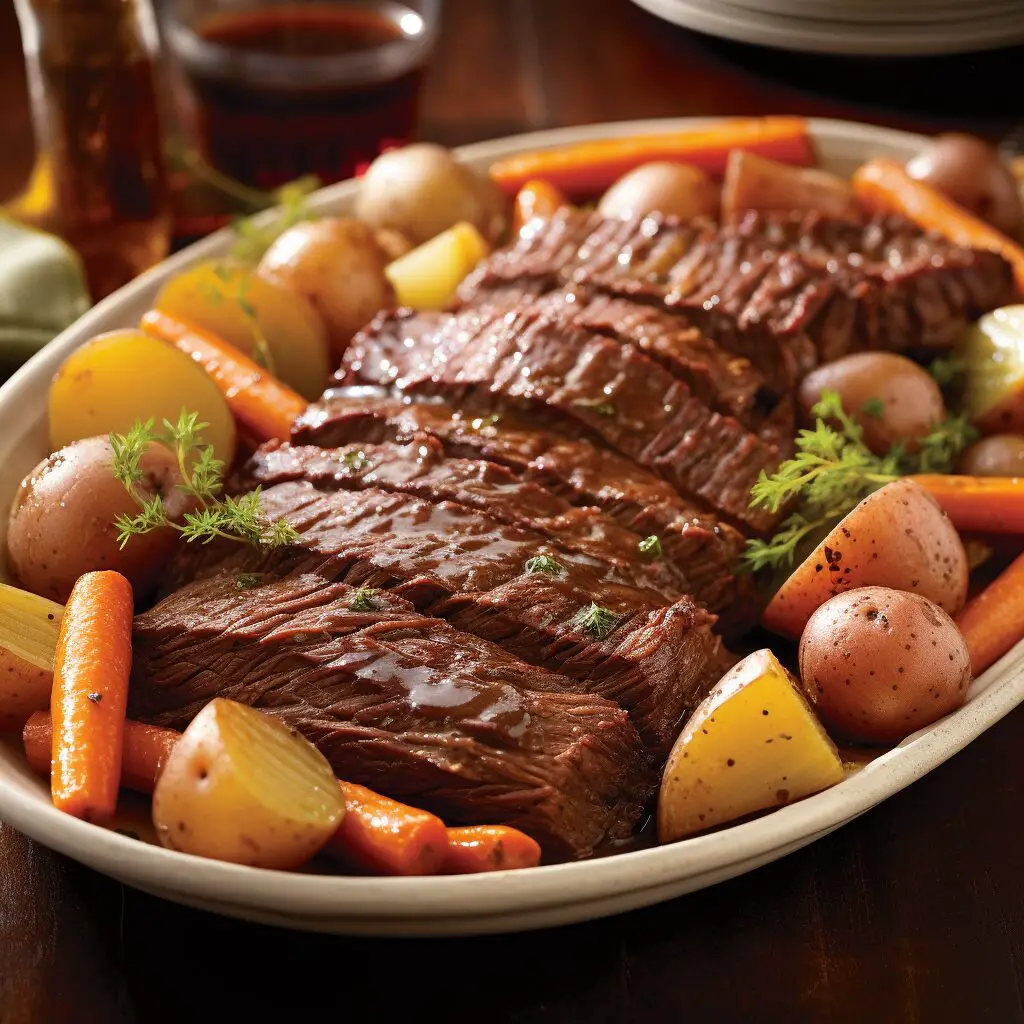
There’s something about a pot roast that makes everything feel right in the world. The smell alone can transport you back to your grandmother’s kitchen on a lazy Sunday afternoon. This classic dish has been warming families for generations, and for good reason. It’s simple, affordable, and turns a tough piece of meat into something incredibly tender. Best of all, once you get it started, you can practically forget about it until dinner time.

Why chuck roast is the perfect choice

When you’re standing in the meat section at your local grocery store, the options can feel overwhelming. But here’s the thing about pot roast: you actually want a tough, cheap cut of meat. It sounds backwards, but those tougher cuts have more marbling throughout. That marbled fat slowly breaks down during cooking and makes the meat incredibly tender. Chuck roast from the shoulder is affordable and perfect for braising because it turns super juicy after a few hours in the oven.

Other cuts like brisket or round roast can work too, but they each have their quirks. Brisket becomes tender and stays sliceable, which some folks prefer. Round roast is very lean, so you have to be careful not to dry it out. For a classic pot roast that falls apart with a fork, stick with chuck. Look for a piece that’s around three pounds with nice white streaks of fat running through it. That fat is your friend here.

The browning step you shouldn’t skip

I know, I know. When a recipe says to brown the meat first, it’s tempting to skip that step and just throw everything in the pot. But browning your chuck roast is one of those things that really makes a difference. When you sear the meat on all sides in hot oil, you’re creating a crust that locks in moisture and adds deep flavor. It takes about fifteen minutes, but your final dish will taste so much better because of it.

To do this right, pat your roast dry with paper towels and season it generously with salt and pepper on all sides. Heat up some olive oil in your dutch oven until it’s almost smoking. Then lay that roast in and let it sit without moving it for a few minutes. You want a nice brown crust before you flip it. The roast should sizzle loudly when it hits the pan. If it doesn’t, your pan isn’t hot enough yet.

Red wine makes all the difference

Here’s a little secret that takes pot roast from good to amazing: add some red wine. After you brown your meat and cook the onions and garlic, pouring in a cup of red wine does something magical. It lifts up all those caramelized bits stuck to the bottom of your pot and turns them into flavor. This process is called deglazing, and it’s why restaurant food often tastes better than home cooking. Now you’re in on the trick.

Don’t worry about buying expensive wine either. A dry red like Merlot, Cabernet, or Pinot Noir works great. The general rule is to cook with wine you’d actually drink, but it doesn’t need to be fancy. If you’d rather skip the alcohol entirely, you can substitute more beef broth or even unsweetened grape juice. The wine gives a deeper, richer taste to the old fashioned pot roast sauce that you’ll love.

Picking the right vegetables for your pot

Potatoes and carrots are the classic vegetables you’ll find in pot roast, and there’s good reason for that. They hold up well during long cooking times and soak up all that beefy goodness from the broth. For potatoes, go with waxy varieties like yellow or red potatoes. They keep their shape better than starchy Russet potatoes, which tend to fall apart and make your broth cloudy. Cut your carrots into chunky pieces so they don’t turn to mush.

But don’t feel like you need to limit yourself to just potatoes and carrots. Parsnips add a slightly sweet, earthy taste that pairs wonderfully with beef. Pearl onions are another great addition that become soft and sweet after braising. Some folks throw in turnips or rutabaga for variety. You can even add a can of peas toward the end if you want something green in there. The slow cooker isn’t picky about what vegetables you use.

Dutch oven versus slow cooker methods

Both methods work great for pot roast, and the one you choose mostly depends on your schedule. A dutch oven in the oven gives you pot roast in about three hours at 350 degrees. The heavy cast iron distributes heat evenly, which means your meat cooks perfectly all the way through. Brands like Le Creuset are popular, but a Lodge dutch oven works just as well for a fraction of the price. This method is perfect for weekend cooking when you’re home.

The slow cooker method takes longer, usually eight hours on low, but it’s completely hands-off. You can set it up in the morning before work and come home to dinner that’s ready to eat. Some people even skip browning the meat when using a slow cooker, though I still recommend it. The convenience factor is hard to beat, especially on busy weeknights. Either way, the low and slow cooking is what transforms that tough chuck roast into something tender enough to cut with a fork.

How to know when your roast is done

Timing can vary depending on the size of your roast and your particular oven, so how do you know when it’s actually done? The best way to test is with a fork. Stick a fork into the thickest part of the meat and twist. If it slides in easily and the meat pulls apart without much effort, you’re good to go. The meat should literally fall apart when you try to lift it. If there’s any resistance, give it more time.

A general rule is about one hour per pound of meat when cooking in the oven at 350 degrees. So a three pound roast needs roughly three hours. But this isn’t exact science. Check it starting around the two and a half hour mark for a three pounder. The vegetables should be tender enough to pierce easily with a knife. If your carrots are still hard, the roast probably needs more time too. Patience is the real secret ingredient here.

Turning leftover pot roast into new meals

One of the best things about making a big pot roast is all the leftovers. A three pound roast will feed a family of four with plenty to spare. The next day, you can serve it over mashed potatoes or rice for a completely different feel. The meat absorbs even more flavor as it sits in the broth overnight. Just reheat it gently on the stovetop or in a 350 degree oven with some extra broth to keep it moist.

Sandwiches are another fantastic way to use up leftover pot roast. Pile the shredded meat onto King’s Hawaiian rolls with some melty provolone or cheddar cheese. Add a spoonful of the cooking liquid as a dipping sauce on the side. Some folks make French dip style sandwiches with crusty bread and au jus. You could also chop it up smaller and throw it into tacos or burritos. The possibilities are nearly endless when you start with good pot roast.

Common mistakes that ruin pot roast

Even a forgiving dish like pot roast can go wrong if you make certain mistakes. The biggest one is not using enough liquid. Your roast needs to be partially submerged in broth to braise properly. Without enough liquid, the top of the meat dries out while the bottom stays moist. You want the liquid to come about halfway up the sides of the roast. Add more beef broth if it looks low during cooking.

Another common mistake is cooking at too high a temperature. If your oven is cranked up to 425 degrees, the outside of the meat will toughen before the inside has time to become tender. Low and slow is the mantra here. Keep it at 350 degrees or lower. Also, don’t cut your vegetables too small. Tiny pieces will turn to mush after three hours of cooking. Keep them chunky so they hold their shape and give you something satisfying to bite into.

Making gravy from the cooking liquid

That liquid left in your pot after cooking isn’t just broth anymore. It’s concentrated beefy goodness that deserves to become gravy. To turn it into a proper gravy, strain the liquid through a fine mesh sieve to remove any bits. Pour the strained liquid back into your pot and bring it to a boil. In a small bowl, whisk together two tablespoons of flour with a quarter cup of cold water to make a slurry.

Slowly pour the slurry into the boiling liquid while whisking constantly. Keep whisking until the gravy thickens to your desired consistency, usually about two to three minutes. If you need it thicker, make another small batch of slurry and repeat. For a gluten free version, use tapioca starch, potato starch, or arrowroot instead of flour. This rich gravy is perfect spooned over the meat, potatoes, and vegetables. It’s honestly the best part of the whole dish.

Pot roast isn’t fancy, and that’s exactly the point. It’s the kind of meal that brings people to the table and makes a house feel like a home. Whether you use a dutch oven on a lazy Sunday or set up the slow cooker before heading to work, the result is the same: tender, satisfying comfort food. Once you master this basic recipe, you’ll find yourself making it again and again throughout the cooler months.

Classic Nostalgic Beef Pot Roast

Course: DinnerCuisine: American
Servings

6

servings
Prep time

20

minutes
Cooking time

3

hours 

20

minutes
Calories

640

kcal

This melt-in-your-mouth pot roast turns a cheap cut of beef into the most tender, comforting Sunday dinner you’ve ever had.

Ingredients

  • 3 lb chuck roast, shoulder cut

  • Salt and black pepper to taste

  • 2 tablespoons olive oil

  • 1 large yellow onion, chopped

  • 3 cloves garlic, minced

  • 1 tablespoon tomato paste

  • 2 tablespoons all-purpose flour

  • 1 cup dry red wine

  • 32 oz beef broth

  • 2 lb small yellow potatoes

  • 1 lb carrots, cut into chunks

  • 2 bay leaves

  • Fresh thyme sprigs

  • Fresh parsley for garnish

Directions

  • Preheat your oven to 350 degrees Fahrenheit. Season the chuck roast generously on all sides with salt and black pepper. Make sure to pat the meat dry with paper towels first so it browns properly.
  • Heat the olive oil in a dutch oven or heavy-bottomed pot over medium-high heat until it’s almost smoking. Add the seasoned chuck roast and brown on all sides, about 3-4 minutes per side. This should take about 15 minutes total. Transfer the browned roast to a plate and set aside.
  • Add the chopped onion and minced garlic to the same pot with the drippings. Sauté until the onions are soft and translucent, about 2-3 minutes. Use a wooden spoon to scrape up any browned bits from the bottom of the pot.
  • Stir in the tomato paste and flour. Mix well until combined. The mixture will look dry at this point, so move quickly to the next step. Pour in the red wine and stir well, allowing it to absorb into the paste and reduce for 1-2 minutes.
  • Add the beef broth and stir well to combine everything, making sure there are no chunks of onion stuck to the bottom. Add the fresh thyme sprigs and bay leaves to the pot.
  • Return the seared beef to the pot. Arrange the potatoes and carrots around the meat, pushing them down into the liquid. The liquid should come about halfway up the sides of the roast.
  • Cover the dutch oven with its lid and place it in the preheated oven. Cook for 2 1/2 to 3 hours, or until the beef is very tender and easily pulls apart with a fork. Check occasionally to make sure there’s still enough liquid.
  • Remove from the oven and discard the bay leaves and thyme stems. Let the roast rest for 5-10 minutes before serving. Ladle into bowls with the vegetables and plenty of the cooking liquid. Garnish with fresh parsley and serve hot.

Notes

  • If your roast comes untied, use butcher’s twine to tie it so it cooks evenly and holds its shape for serving.
  • For slow cooker method, brown the meat first, then add everything to the slow cooker and cook on low for 8 hours.
  • Substitute more beef broth or unsweetened grape juice if you prefer not to use wine.
  • Store leftovers in an airtight container in the fridge for 2-3 days or freeze for up to 3 months.

Frequently Asked Questions

Q: Can I make pot roast without wine?
A: Absolutely! You can substitute the red wine with an equal amount of beef broth or unsweetened grape juice. The wine adds a deeper flavor to the sauce, but your pot roast will still turn out delicious without it.

Q: Why is my pot roast tough after cooking?
A: The most common reason is that it didn’t cook long enough. Pot roast needs time for the connective tissue to break down. If it’s still tough, put it back in the oven with the lid on for another 30-60 minutes. Low and slow is the key to tender meat.

Q: Can I use a different cut of beef for pot roast?
A: Yes, brisket and round roast both work for pot roast. However, chuck roast is the best choice because it has more marbling. Brisket stays sliceable while round roast is leaner and can dry out more easily if overcooked.

Q: Do I have to brown the meat before cooking?
A: You don’t have to, but it’s highly recommended. Browning creates a flavorful crust on the outside of the meat and adds depth to the overall dish. It takes about 15 minutes and makes a noticeable difference in the final result.

David Wright
David Wright
David Wright is a seasoned food critic, passionate chef, and the visionary behind GrubFeed, a unique food blog that combines insightful culinary storytelling with mouth-watering recipes. Born and raised in San Francisco, California, David's fascination with food began in his grandmother's kitchen, where he learned the art of traditional cooking and the secrets behind every family recipe.

Must Read

Related Articles