

When it comes to fresh produce, not all grocery stores are created equal. While some chains pride themselves on offering the crispest lettuce and juiciest tomatoes, others seem to treat their fruits and vegetables as an afterthought. Are you unknowingly shopping at one of these subpar produce purveyors? It’s time to separate the wheat from the chaff and identify which grocery stores you should avoid for your weekly haul of greens and beyond.
Target’s produce section misses the mark

While Target excels in many departments, their produce section often falls short. Shoppers frequently complain about limited selection and concerns over freshness. The convenience of one-stop shopping can be tempting, but when it comes to fruits and vegetables, Target’s offerings often leave much to be desired.
The produce at Target tends to have a shorter shelf life compared to specialized grocery stores. This means you might find yourself tossing out wilted greens or overripe fruit sooner than expected. Additionally, the selection is often basic, lacking the variety of seasonal or unique produce items that can inspire creative cooking.
If you’re looking for organic options, Target’s selection is typically limited. While they do offer some organic produce, the variety and quality often pale in comparison to stores that specialize in natural and organic foods.
Walmart’s produce quality is inconsistent at best
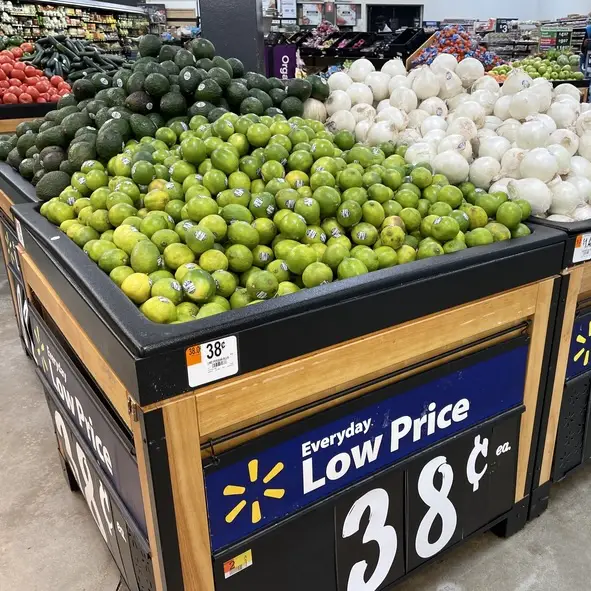
Walmart, known for its competitive prices, often struggles to maintain consistent quality in its produce department. While the retail giant has made efforts to improve, many shoppers still find their fruits and vegetables lacking in freshness and flavor.
One of the main issues with Walmart’s produce is the high turnover rate. With such a large volume of customers, produce often sits out for extended periods, leading to faster spoilage. This can result in bruised apples, mushy avocados, and wilted greens that barely make it home before showing signs of decay.
Additionally, Walmart’s focus on keeping prices low can sometimes come at the cost of quality. While you might save a few dollars on your grocery bill, you may end up with produce that lacks the nutritional value and taste of fresher alternatives. Is saving a bit of money worth sacrificing flavor and potentially wasting food?
Grocery Outlet: bargains at the expense of freshness
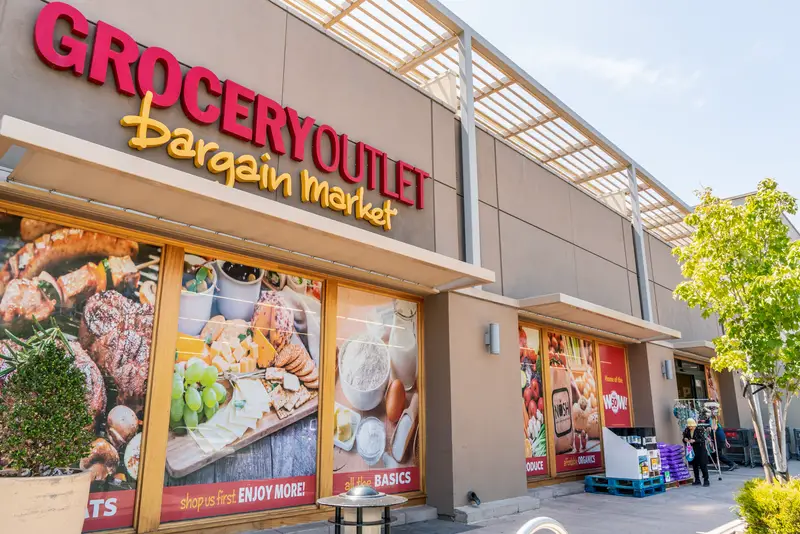
Grocery Outlet has gained popularity for its discounted prices, but when it comes to produce, you often get what you pay for. The store’s business model of selling overstock and closeout items can lead to inconsistent quality and freshness in the produce section.
Many customers report that fruits and vegetables from Grocery Outlet have a shorter shelf life compared to those from traditional supermarkets. This is partly due to the nature of their sourcing – items may have already spent time in transit or storage before reaching the store shelves.
While you might find occasional gems, shopping for produce at Grocery Outlet can be hit-or-miss. The selection is often limited and can vary greatly from one visit to the next. This inconsistency makes it challenging to plan meals or maintain a steady supply of fresh fruits and vegetables in your home.
Woodman’s Markets: size doesn’t guarantee quality
Woodman’s Markets, a Midwest chain known for its massive stores, unfortunately falls short when it comes to produce quality. Despite the impressive size of their locations, the freshness and presentation of fruits and vegetables often leave customers disappointed.
One of the main issues with Woodman’s produce section is the lack of attention to detail. Shoppers frequently encounter bruised fruits, wilted vegetables, and overall poor organization. The vast size of the stores can actually work against the produce department, as it becomes more challenging to maintain and rotate stock efficiently.
Additionally, Woodman’s focus on low prices sometimes results in sourcing lower-quality produce. While you might find good deals, the trade-off in freshness and flavor may not be worth the savings. For those who prioritize quality over quantity, Woodman’s produce section might not meet expectations.
Albertsons: a mixed bag of produce problems

Albertsons, while a popular choice for many shoppers, has a reputation for inconsistent produce quality. Customer experiences vary widely, with some locations offering fresh, high-quality fruits and vegetables, while others struggle to maintain standards.
One of the main criticisms of Albertsons’ produce section is the lack of local sourcing. Many of their fruits and vegetables travel long distances before reaching store shelves, which can impact freshness and flavor. This reliance on non-local produce also means that seasonal offerings may be limited or out of sync with the actual growing seasons in your area.
Pricing is another concern at Albertsons. While not the most expensive option, their produce prices tend to be higher than some competitors without a corresponding increase in quality. This can make it challenging for budget-conscious shoppers to justify choosing Albertsons for their fruit and vegetable needs.
Safeway’s produce section: convenience over quality
Safeway, a subsidiary of Albertsons, often prioritizes convenience over produce quality. While the chain is widespread and easily accessible, their fruit and vegetable offerings frequently disappoint discerning shoppers.
One of the main issues with Safeway’s produce is the emphasis on appearance over flavor. Fruits and vegetables are often selected for their ability to withstand long periods on shelves, which can result in items that look good but lack taste. This focus on shelf stability means you might end up with tomatoes that never seem to ripen or strawberries that look perfect but lack sweetness.
Additionally, Safeway’s produce prices tend to be on the higher side, especially when compared to the quality offered. For budget-conscious shoppers, this combination of mediocre quality and higher prices makes Safeway a less-than-ideal choice for fresh fruits and vegetables.
Better alternatives for fresh produce
Now that we’ve identified some grocery stores to avoid for produce, where should you shop instead? Here are some excellent alternatives that consistently offer high-quality fruits and vegetables:
1. Whole Foods Market: Known for its wide variety of organic produce and commitment to quality, Whole Foods sources 25% of its produce locally.
2. Wegmans: This chain works closely with over 400 family farms to source the freshest, most locally-grown produce possible.
3. Sprouts Farmers Market: Offering a wide selection of organic fruits at competitive prices, Sprouts focuses on quality and healthy, natural foods.
4. Local farmers markets: These offer the freshest, most seasonal produce directly from local farmers, supporting your community while ensuring quality.
5. Hy-Vee: This Midwestern chain works with local farms within 200 miles of its stores to stock super-fresh seasonal offerings.
Remember, the quality of your produce not only affects the taste of your meals but also your overall health and satisfaction with your grocery shopping experience. By choosing stores that prioritize freshness, quality, and local sourcing, you’ll enjoy better-tasting, more nutritious fruits and vegetables.

